Source Foam Filled Plastic Pipe Floaters for Pipeline Support
Source foam filled plastic pipe floaters for pipeline support and buoyancy applications. Compare 30 available models with varying diameters, buoyancy ratings, and customization options to find the right fit for your project needs; compare the available evidence and request quotations based on your requirements.
Key considerations
Products List




Comprehensive Sourcing Guide
Foam Filled Plastic Pipe Floaters Sourcing Guide
Procuring foam-filled plastic pipe floaters requires a precise understanding of the specific buoyancy and dimensional requirements for your pipeline infrastructure. The market offers a diverse range of models, such as the JB400 and JB300, which are designed to support pipes of varying diameters from DN50 up to DN1200. Buyers must carefully match the outer diameter of the floater, which can range from 300mm to 2200mm, to the specific pipe size to ensure a secure fit without excessive material waste.
Selection also depends heavily on the internal composition and density of the foam core, which directly impacts the total buoyancy capacity. Available options include units filled with polyurethane foam at densities around 35kg per cubic meter or empty shells, with buoyancy ratings spanning from approximately 26kg to over 6000kg. Understanding these variations is critical for calculating the exact number of sets required per 12 meters of pipe to maintain stability and prevent sagging in aquatic environments.
Product Scope and Observed Listing Signals
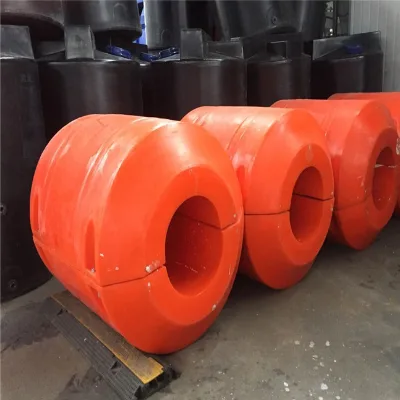
When reviewing supplier listings, buyers should look for specific visual and descriptive signals that confirm the product matches their engineering needs. The observed inventory frequently features yellow or orange shells, with some suppliers offering customized color options to meet safety or branding requirements. The outer shell thickness is a key indicator of durability, with standard listings specifying a thickness between 5mm and 10mm to withstand underwater pressure and physical abrasion.
Listing descriptions often highlight the connection methods and packaging standards, which are vital for logistics and installation planning. Most products utilize bolts, nuts, and washers for assembly, ensuring a robust mechanical connection between the floater and the pipe. Packaging varies from standard sea-worthy crates to nude or film-wrapped configurations, so procurement teams must verify that the chosen packing method aligns with their shipping constraints and destination port regulations.
Technical Specifications to Verify
Verification of the inner diameter (I.D.) is the primary technical step to ensure the floater accommodates the target pipe size without gaps. The available product range covers inner diameters from 50mm to 1200mm, with specific models like FLOATS400-01 designed for ID400 applications. Buyers must cross-reference the pipe's outer diameter against the floater's I.D. to confirm a snug fit, as mismatches can lead to instability or the need for additional securing hardware.
Length and overall dimensions are equally critical for determining the coverage area and buoyancy distribution along the pipeline. Standard lengths observed in the market range from 580mm to 2500mm, with specific models like Float001 offering a 1500mm length. Additionally, the contraction percentage of the material, typically between 1.5% and 5.0%, must be accounted for during design to ensure the floater maintains its structural integrity and dimensional accuracy after manufacturing and during long-term submersion.
Compliance and Safety Documentation
Ensuring that the floaters meet international safety and quality standards is essential for large-scale infrastructure projects. Many suppliers provide documentation indicating compliance with ISO and CE certifications, which serve as baseline indicators of manufacturing quality and safety protocols. Buyers should request specific test reports that validate these certifications for the exact model being purchased, rather than relying on general company claims, to ensure the product meets the rigorous demands of marine environments.
Water absorption rates are another critical safety metric that must be verified through supplier documentation to prevent long-term degradation. The observed data indicates a water absorption rate of less than 0.01%, which is crucial for maintaining the buoyancy and weight characteristics of the floater over time. Procurement teams must ensure that the provided test results confirm this low absorption rate, as higher water uptake could compromise the structural stability and safety of the entire pipeline system.
Cost Drivers and Commercial Terms
The final cost of foam-filled plastic pipe floaters is driven primarily by the volume of polyurethane foam used and the complexity of the outer shell molding. Products with higher buoyancy ratings, such as those reaching 6140kg, naturally command higher prices due to the increased material density and manufacturing effort required. Buyers should analyze the price range, which spans from 10 to 1500 USD, to understand how specific attributes like shell thickness and foam density influence the unit cost.
Minimum Order Quantities (MOQ) and payment terms significantly impact the commercial viability of the procurement. The observed MOQ ranges from 1 to 200 units, offering flexibility for small projects while potentially requiring larger commitments for bulk discounts. Procurement managers must negotiate these terms carefully, considering that custom designs and specific color requests may alter the standard pricing structure and lead times, necessitating a clear agreement on the total cost of ownership before finalizing the order.
Supplier Qualification and Quality Control
Supplier qualification should focus on verifying the origin and manufacturing capabilities of the provider, as the majority of these products originate from China, specifically regions like Shandong. Buyers must assess the supplier's capacity to maintain consistent quality across batches, particularly regarding the uniformity of the foam density and the precision of the outer shell dimensions. A qualified supplier will provide detailed quality control records that demonstrate adherence to the specified standards for each production run.
Quality control processes must also include checks on the customization capabilities, as many buyers require tailored designs for unique pipeline configurations. The market offers customized design options and appearance design patents, indicating that suppliers can adapt products to specific client needs. However, buyers should verify that the customization process includes rigorous testing to ensure that modified designs do not compromise the structural integrity or buoyancy performance of the final product.
Long-Term Procurement Checks
Establishing a long-term procurement strategy requires regular audits of the supplier's ability to maintain consistent product specifications over time. Buyers should implement a schedule for periodic quality checks to ensure that the foam density, shell thickness, and water absorption rates remain within the agreed-upon tolerances. This proactive approach helps prevent performance degradation in the field and ensures that the pipeline system remains stable and safe throughout its operational lifespan.
Documentation of the product's lifecycle and maintenance requirements is another critical component of long-term procurement planning. Since the products are designed for applications involving 2 to 4 sets per 12 meters of pipe, buyers must track the installation and performance data to identify any potential issues early. Maintaining a comprehensive record of the product models, such as DN50-DN1200MM variants, allows for efficient replacement and scaling of the procurement program as the infrastructure expands or requires upgrades.
FAQs
What are the standard outer diameter ranges for these floaters?
The outer diameter ranges from 300mm to 2200mm, with specific models like JB400 offering 1200mm and others providing 1400mm or 1100mm options. This wide range allows for versatile application across various pipe sizes, ensuring a proper fit for different industrial requirements and installation scenarios.
Can the color of the foam filled plastic pipe floaters be customized?
Yes, customization is available for the color, with standard options including yellow and orange. Buyers can request other customized colors to meet specific visibility or branding needs. This flexibility ensures that the floaters can be easily identified in various operational environments while maintaining their functional integrity.
What is the typical buoyancy capacity of these PE pipe floaters?
Buoyancy ranges from approximately 26kg to 6140kg, depending on the specific model and dimensions. For instance, certain configurations offer around 750kg of buoyancy. This wide range allows users to select the appropriate floater to support the weight of pipes of varying diameters and lengths effectively.
How are these pipe floaters packed for shipping?
Packing options include standard sea-worthy packages or being packed in nude or wrapped by film. These methods ensure the products remain protected during transit. The choice of packaging depends on the specific order requirements and logistical needs, ensuring safe delivery to the destination port or site.
What certifications do these foam filled plastic pipe floaters hold?
These products hold ISO and CE certifications, indicating compliance with international quality and safety standards. These certifications assure buyers of the product's reliability and adherence to regulated manufacturing processes. This validation is crucial for industries requiring strict quality control and regulatory compliance in their supply chain.
What is the minimum order quantity for these pipe floaters?
The minimum order quantity ranges from 1 to 200 units, providing flexibility for both small and large procurement needs. This range accommodates various project scales, allowing buyers to order the exact quantity required without excessive minimums. It supports efficient inventory management and cost-effective sourcing for diverse applications.